Grade 1 Scheduled Landmark · 1903

Gżira Pumping Station

A heritage reawakened. A garden returned to the city.

Scroll 01 / 06

An Overview

A €10 million holistic rehabilitation of one of Malta's most distinctive Neo-Gothic landmarks — preserving its architectural significance, modernising essential utilities, and opening a new public garden to the city of Gżira.

  • €10MInvestment
  • 1903Designed by Schinas
  • Grade 1Scheduled landmark
  • 2 haNew public realm

01 — Heritage

A stately home disguised as a utility.

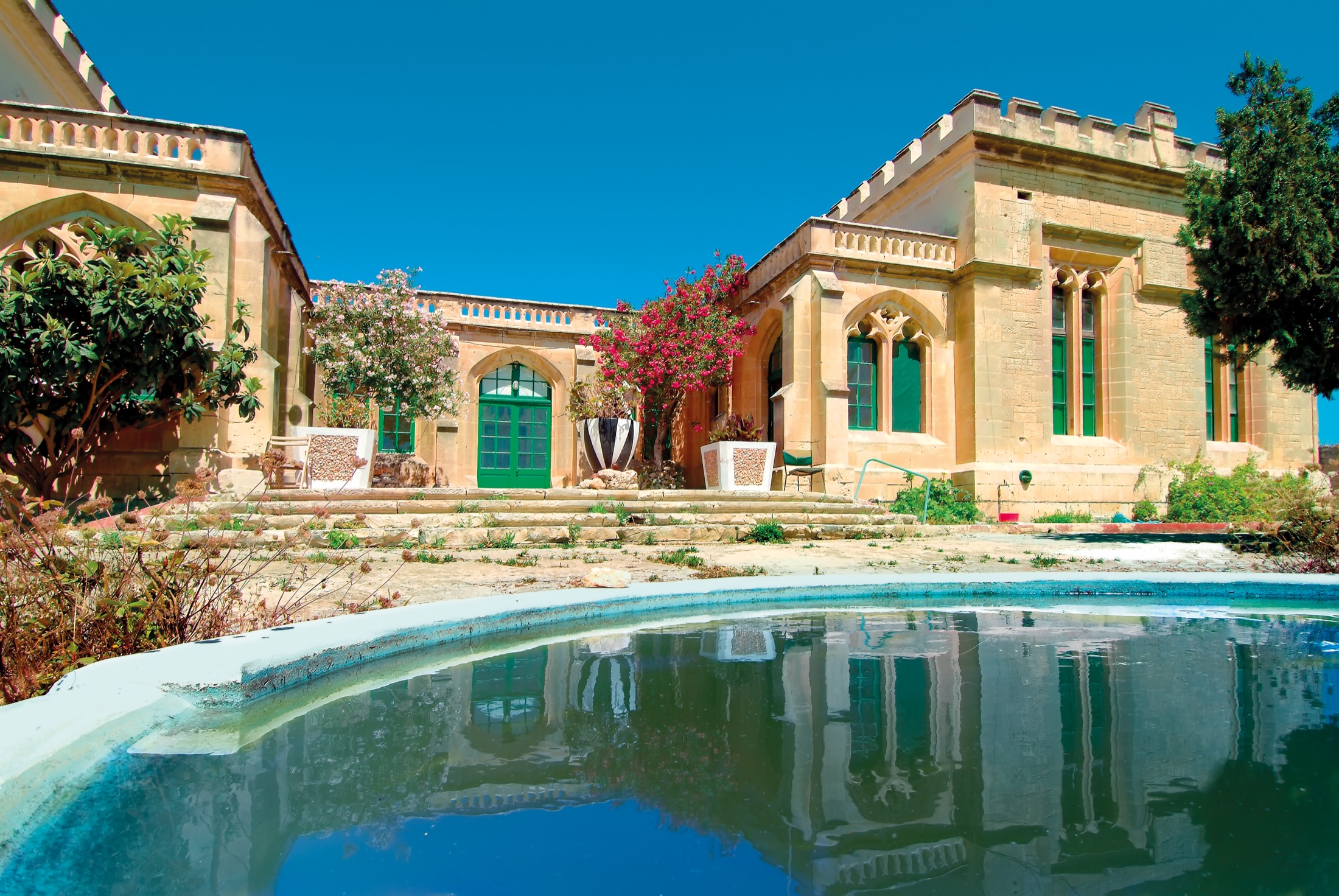
Historic photograph of the Gżira pumping station, 2004
Photographed circa 2004 — the station has stood beside the old Empire Stadium for over a century.

In 1903 works began on a beautiful Neo-Gothic sewage pumping station in Gżira, designed by Prof. Giorgio C. Schinas with Royal Engineer Capt. T. J. Tressider — conceived within the master plan led by Osbert Chadwick to serve the North Harbour towns.

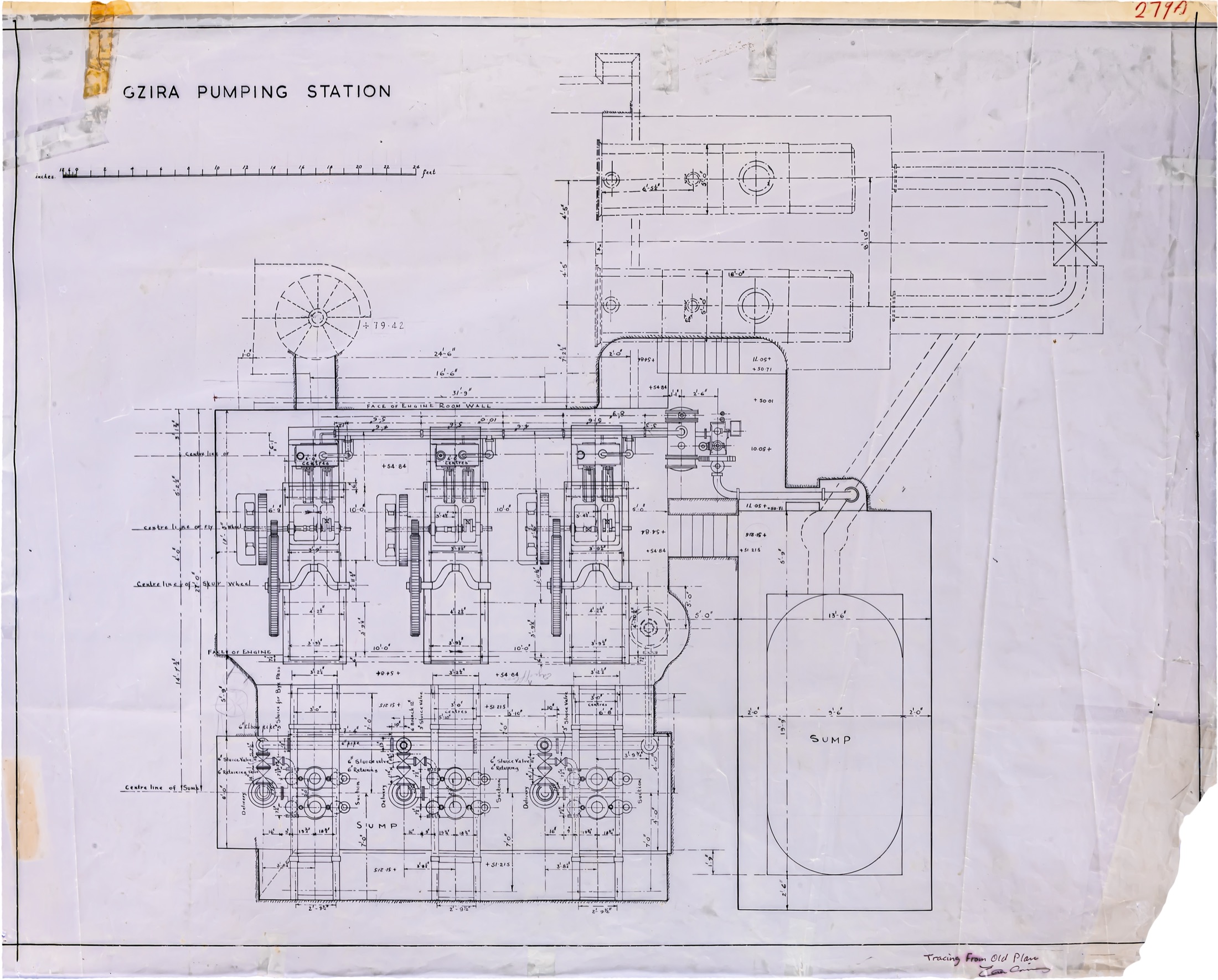
Modest in size and height above ground, the building is cavernous beneath: multiple deep sumps collect the sewage of Sliema, St Julian's, San Ġwann, Gżira and beyond, pumping it uphill to Gwardamanġia where it flows by gravity to Marsa.

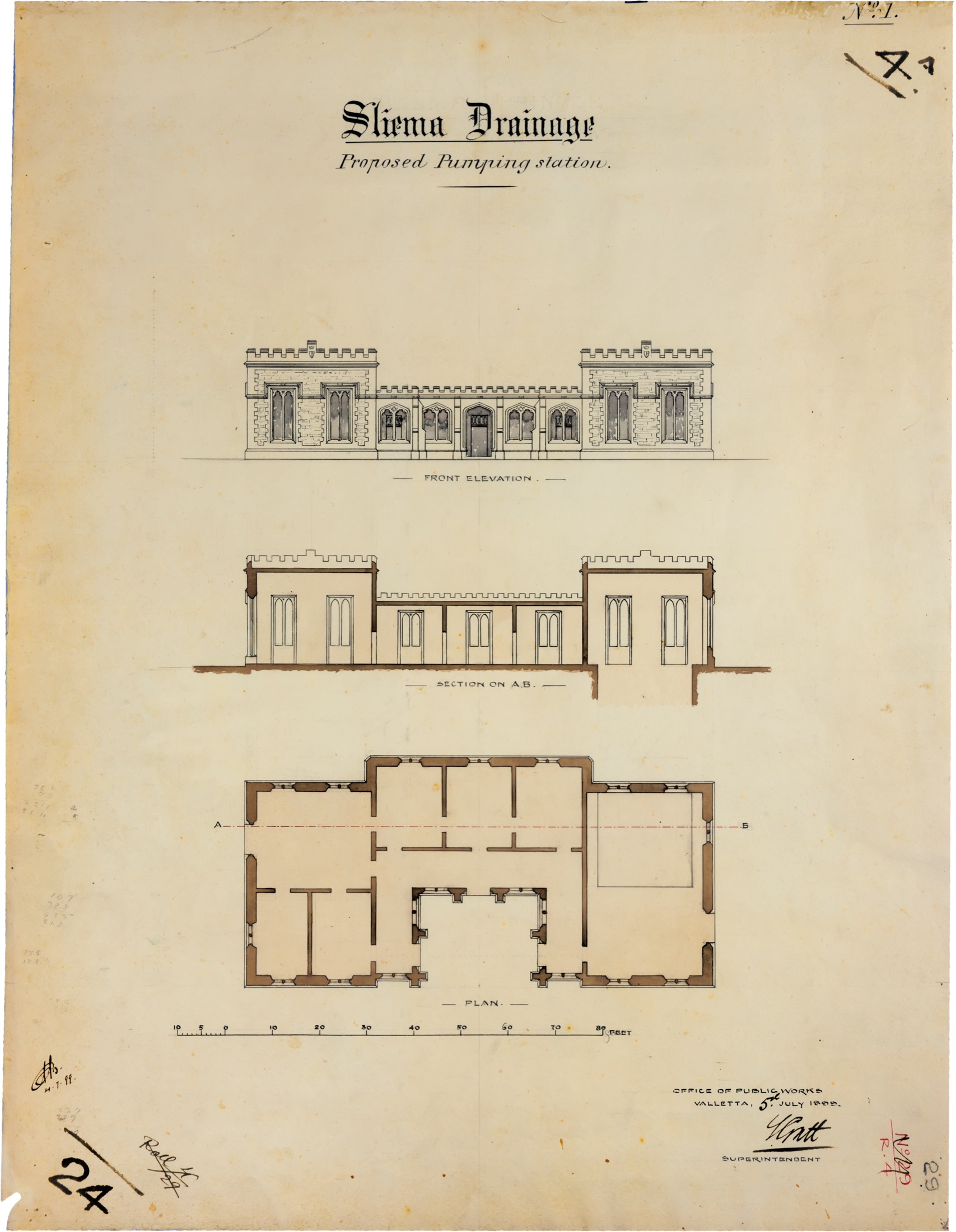
Three blocks — recessed centre, projecting wings — crowned with crenellated parapets and lancet double-light windows. The Gothic Revival language of the period gave a piece of utility infrastructure the presence of a stately home.

Archive · Plans & elevations
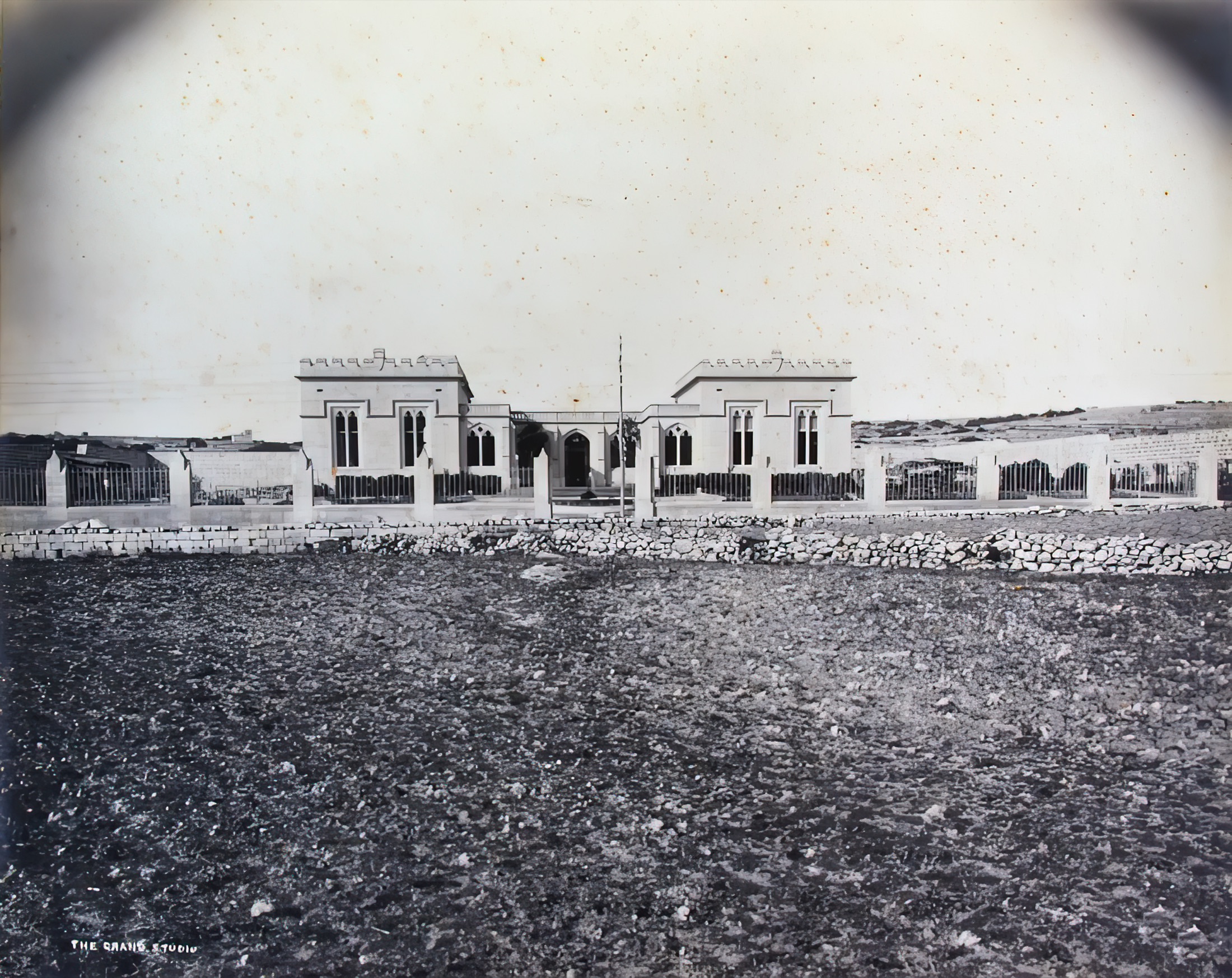
Exterior of the Gżira Sewage Pumping Station, photographed from the field that later became the Empire Stadium
The Gżira Sewage Pumping Station. This photo was taken from a field on which the Empire Stadium was eventually built.
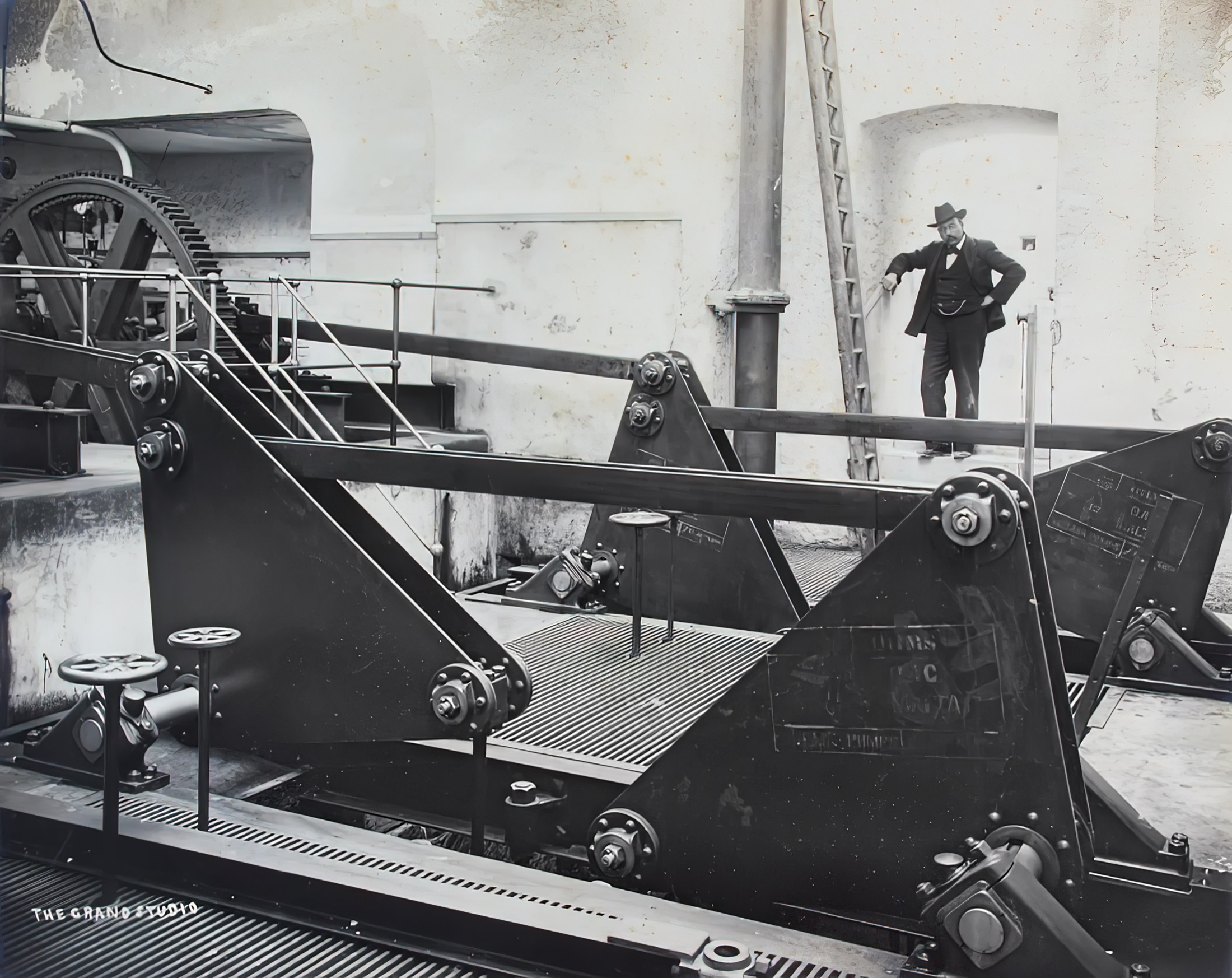
Inside the Gżira Pumping Station: a man stands beside the connecting-rods of the horizontal steam engines
Inside the Gżira Pumping Station we see the connecting-rods of the horizontal steam engines (just out of shot) working triangular bell-cranks connected to plunger pumps deep underground.
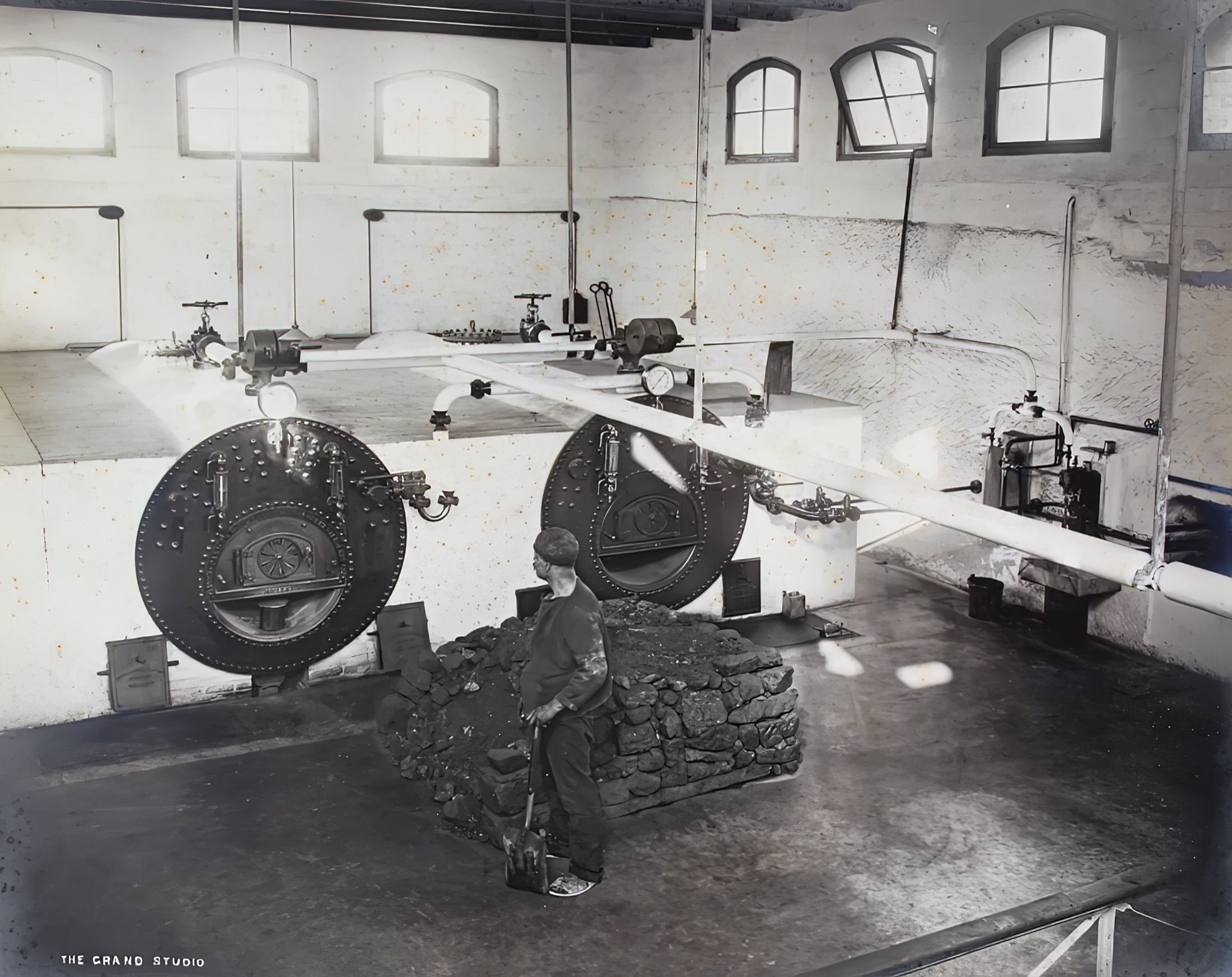
A worker stoking the boilers inside the Gżira Pumping Station
Stoking the boilers. Sandals and woollen skullcaps were the safety gear of the day!
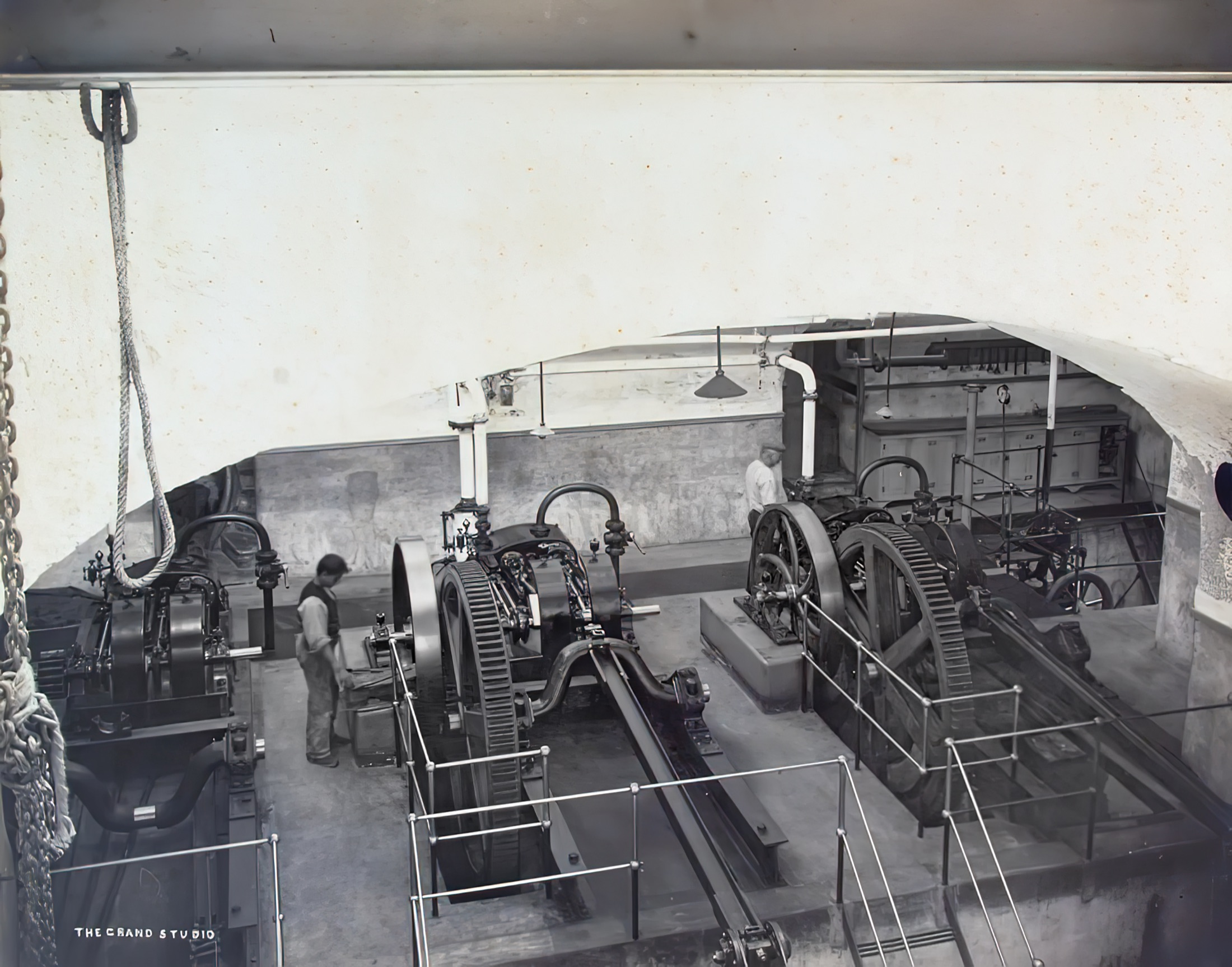
An operator tends to the three steam engines inside the Gżira Pumping Station
An operator tends to the three steam engines. The long 'I-Beam' connecting rods couple the crankshafts to the rockers visible in the photo on the opposite page. Note that the beam of the left-hand engine has been removed exposing the shiny crank journal.
Original architectural plans of the Gżira pumping station
Engineering plans of the Gżira pumping station

Photographs: National Archives of Malta

02 — Vision
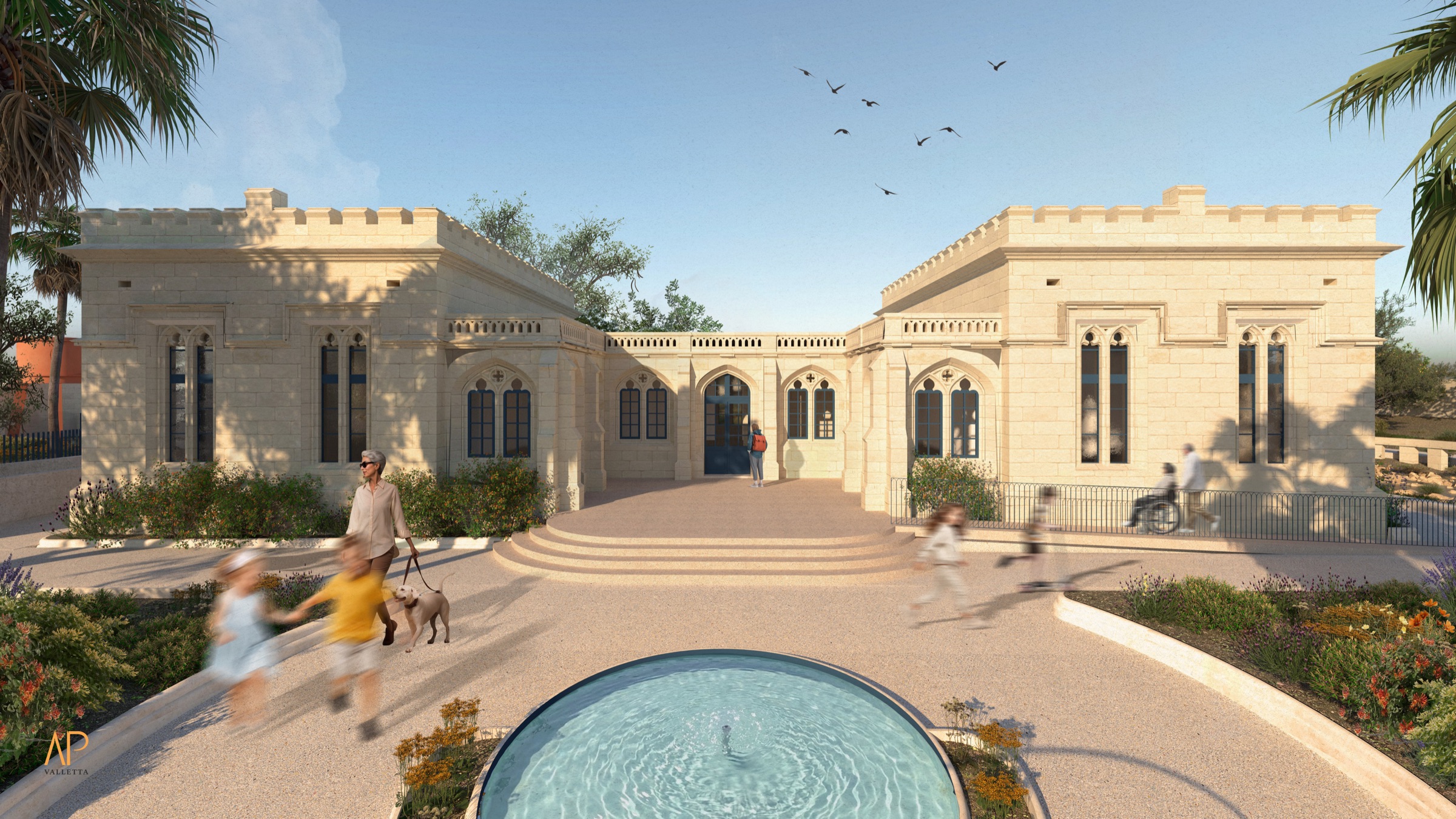
Returning the building to its original glory.

Render of the restored Gżira pumping station seen from the front
The principal façade, after restoration. Crenellated parapets, lancet windows, and the recessed three-block composition reinstated.
Render from the left, showing the projecting wing
From the west — projecting wing and reinstated openings.
Render from the right side
From the east — the future Local Council wing.
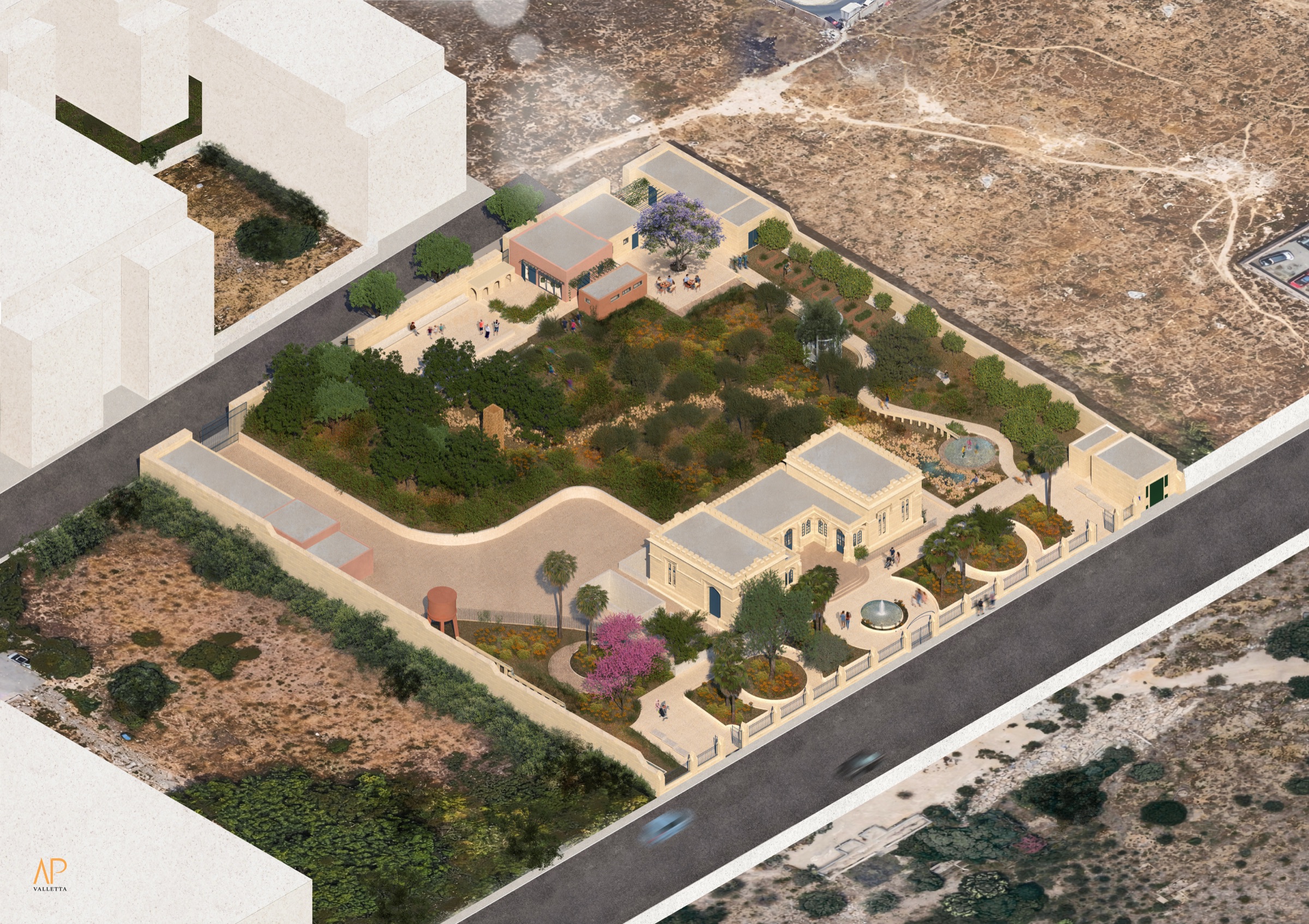
Isometric view showing the entire restored complex and gardens
Isometric view of the rehabilitated complex and its new public garden.

03 — Scope of Works

Conservation, modernisation, and a new civic garden.

  1. 01

    Conservation & restoration

    Cleaning, consolidation and repair of original masonry. Reinstatement of missing or altered architectural elements. Lime-based, like-for-like materials and finishes throughout, in line with Grade 1 standards.

  2. 02

    Removal of incongruent additions

    All later, non-original structures and accretions that compromise the building's legibility or harm the historic fabric will be carefully demolished — restoring the clarity of the original three-block composition.

  3. 03

    Modern operational upgrade

    Replacement and upgrade of mechanical and electrical systems, pumps, controls and monitoring. The result is a quieter, more efficient, more reliable utility — with reduced energy consumption and maintenance overheads.

  4. 04

    Advanced ventilation & odour control

    Discreetly integrated ventilation and treatment systems eliminate unpleasant or toxic smells — enhancing comfort for nearby residents and garden users while meeting stringent health and environmental standards.

04 — Garden & Public Realm
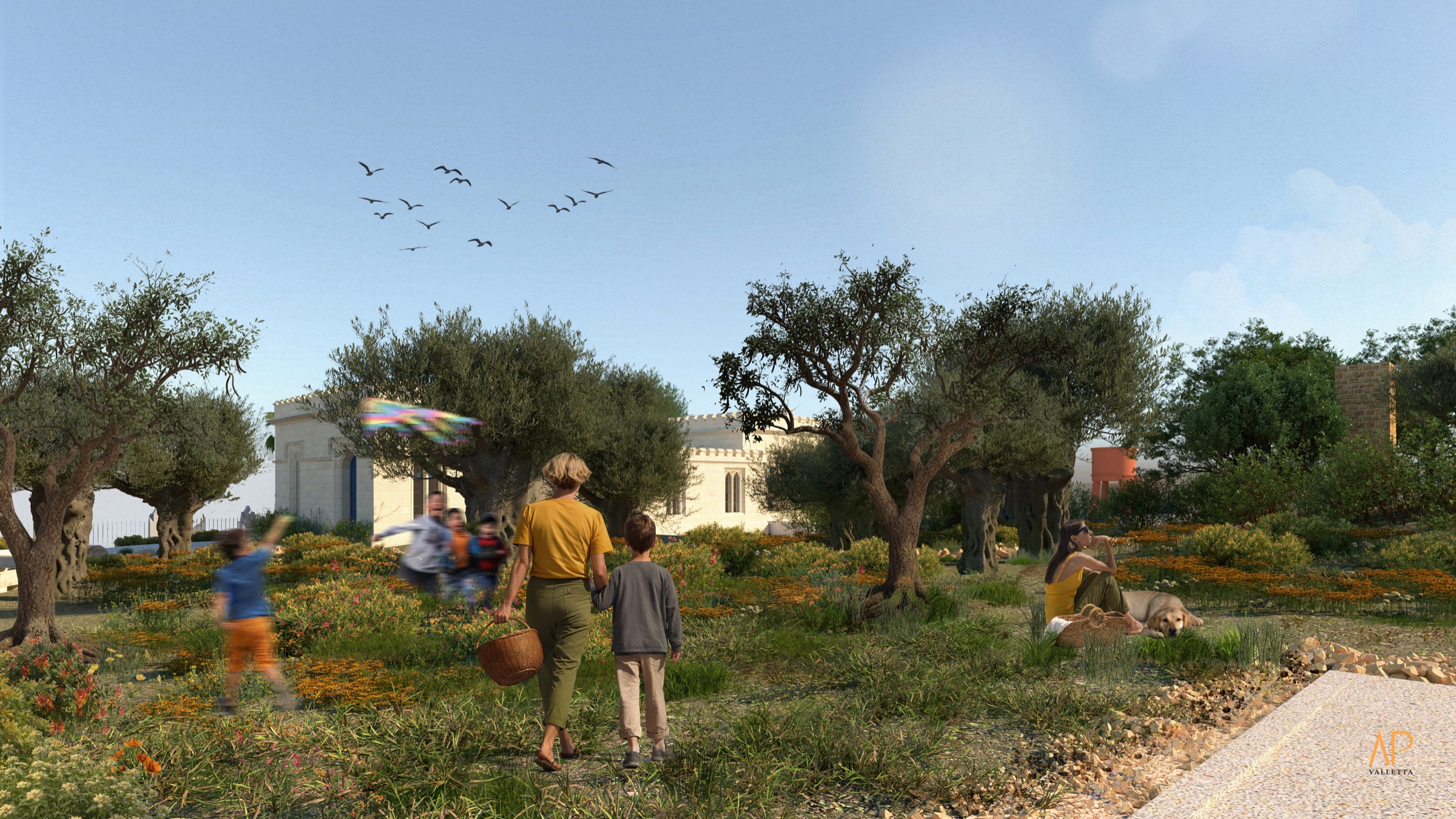
A green wrap, returned to the neighbourhood.

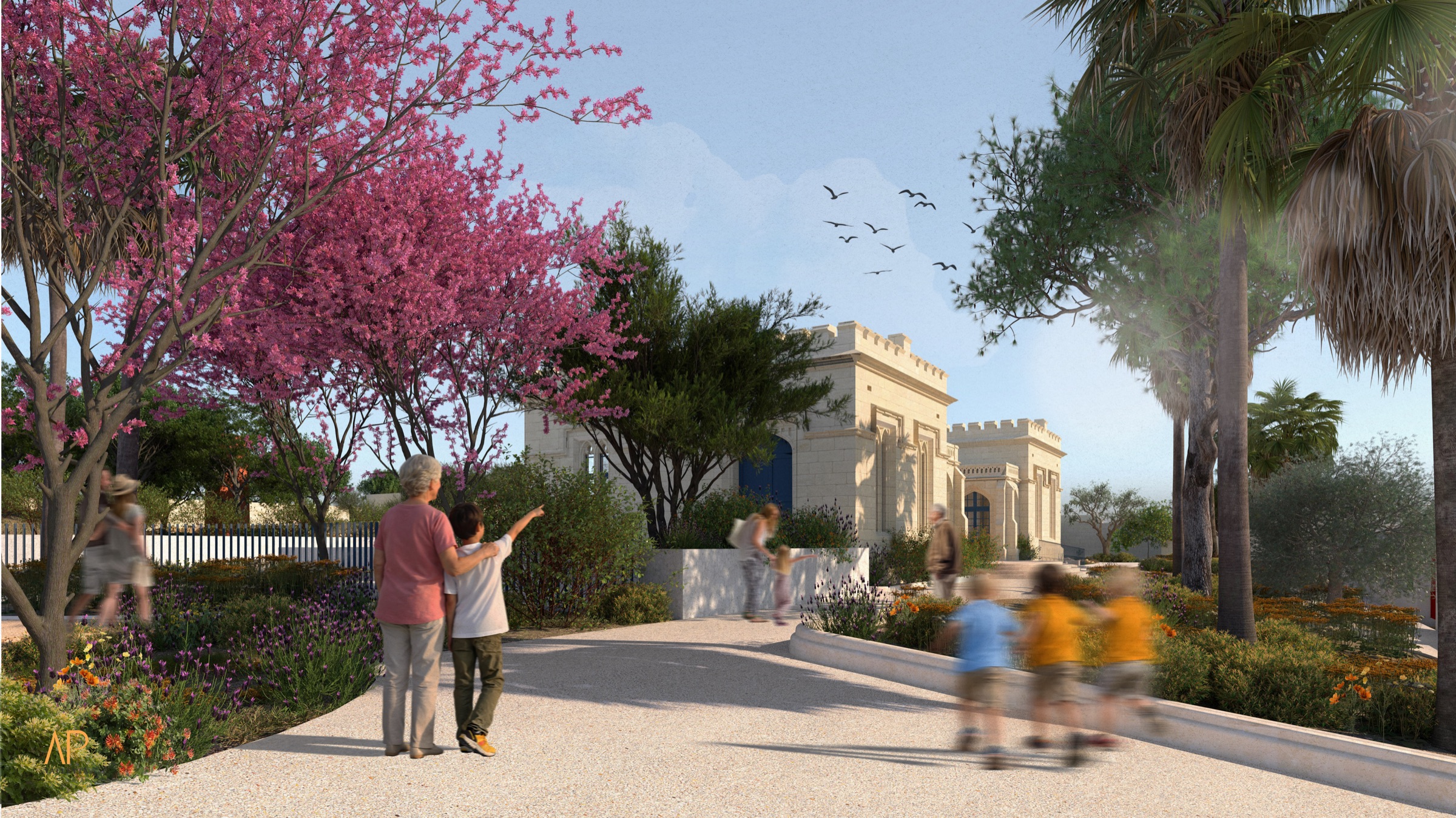
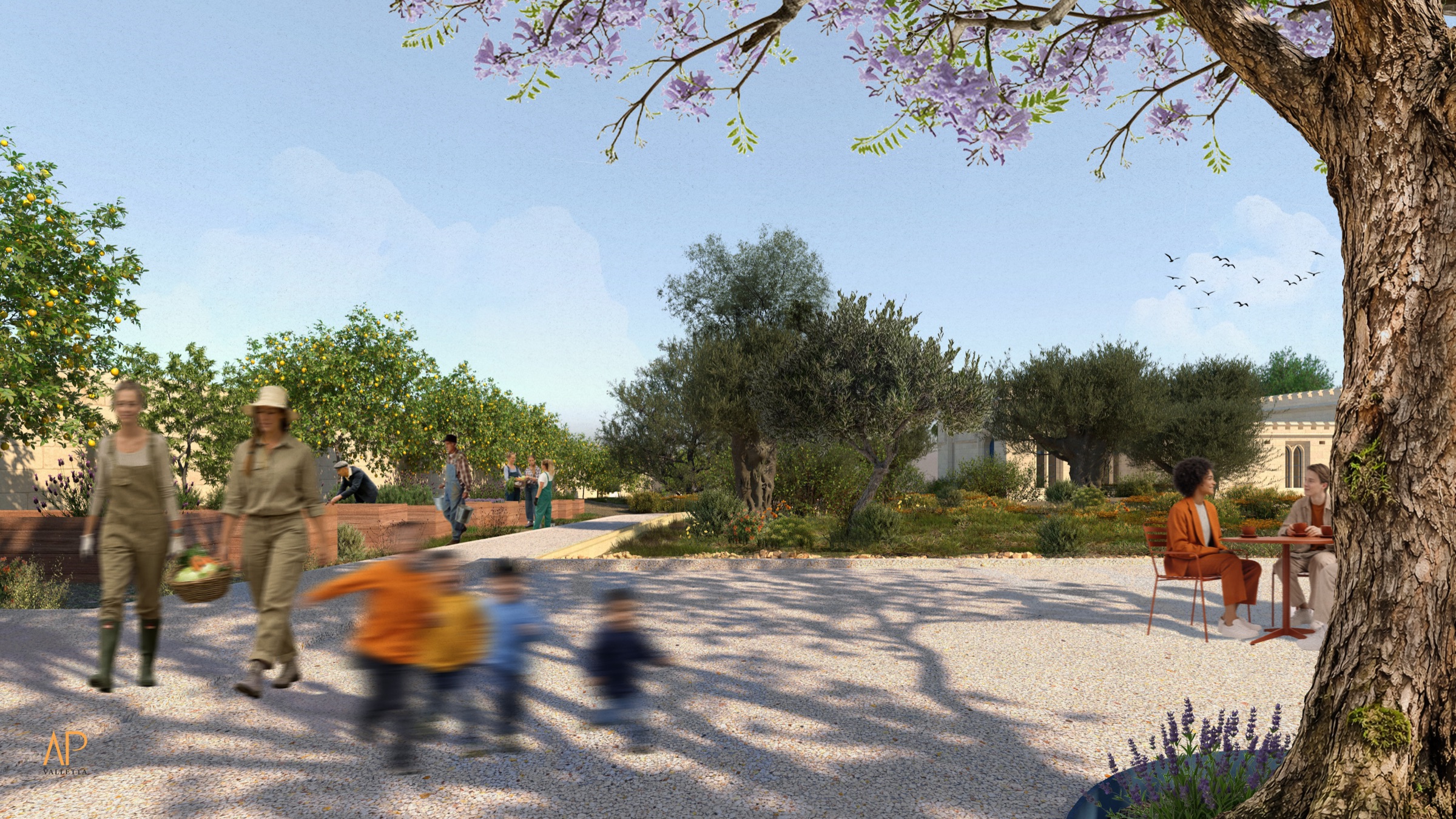
Render of the new garden behind the restored pumping station
The new garden — lawns, shaded seating, and gathering pockets framing the restored façades.
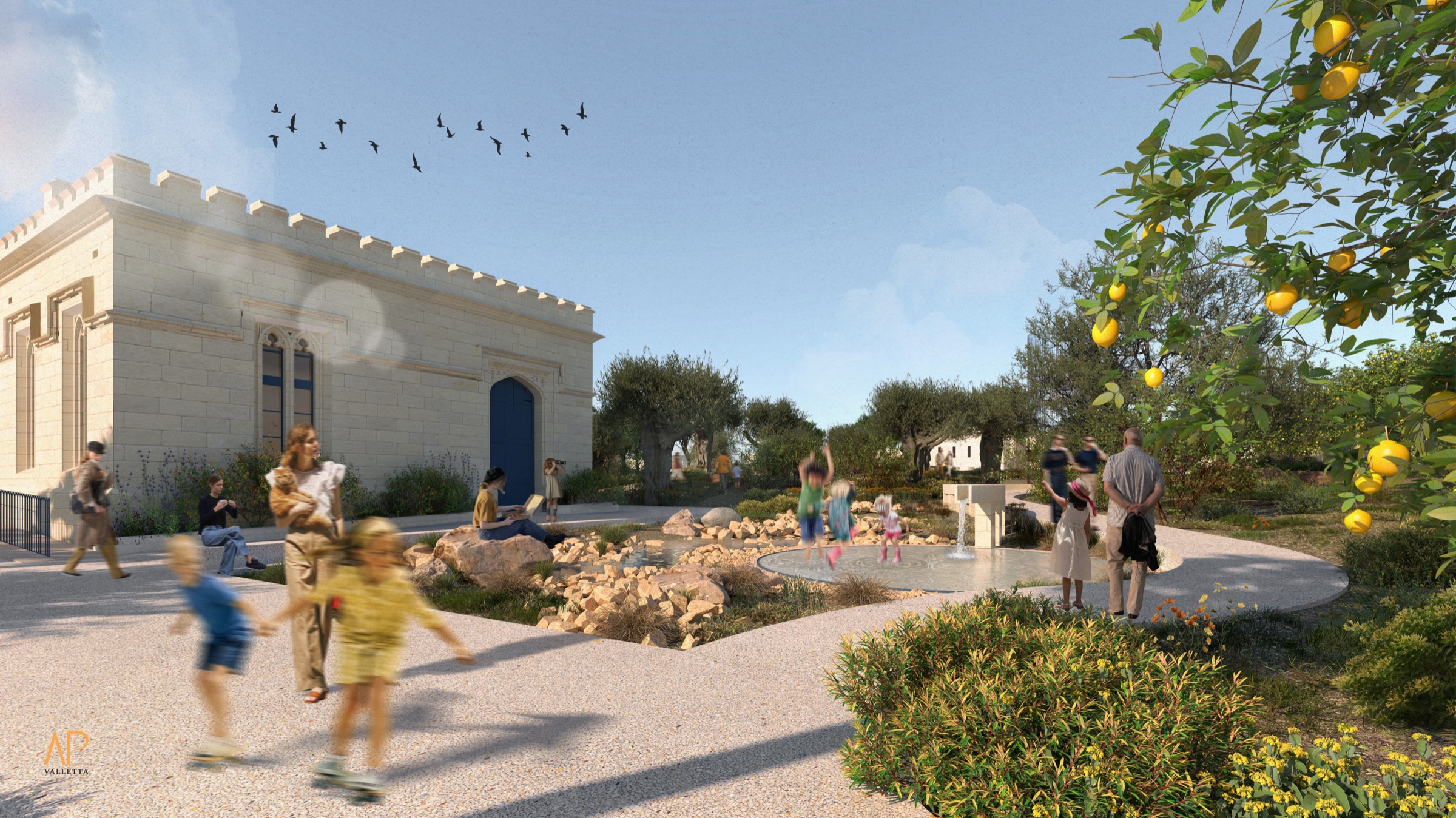
Render showing the rear piazza
The rear piazza — a permeable connection from Triq Luqa Briffa.
  • Heritage-led landscape. Historically sympathetic planting, paths, and sightlines that frame key façades and reinstate the site's original axes.
  • Flexible recreation. Lawns, shaded seating, and small gathering pockets — for informal leisure, community events and educational visits.
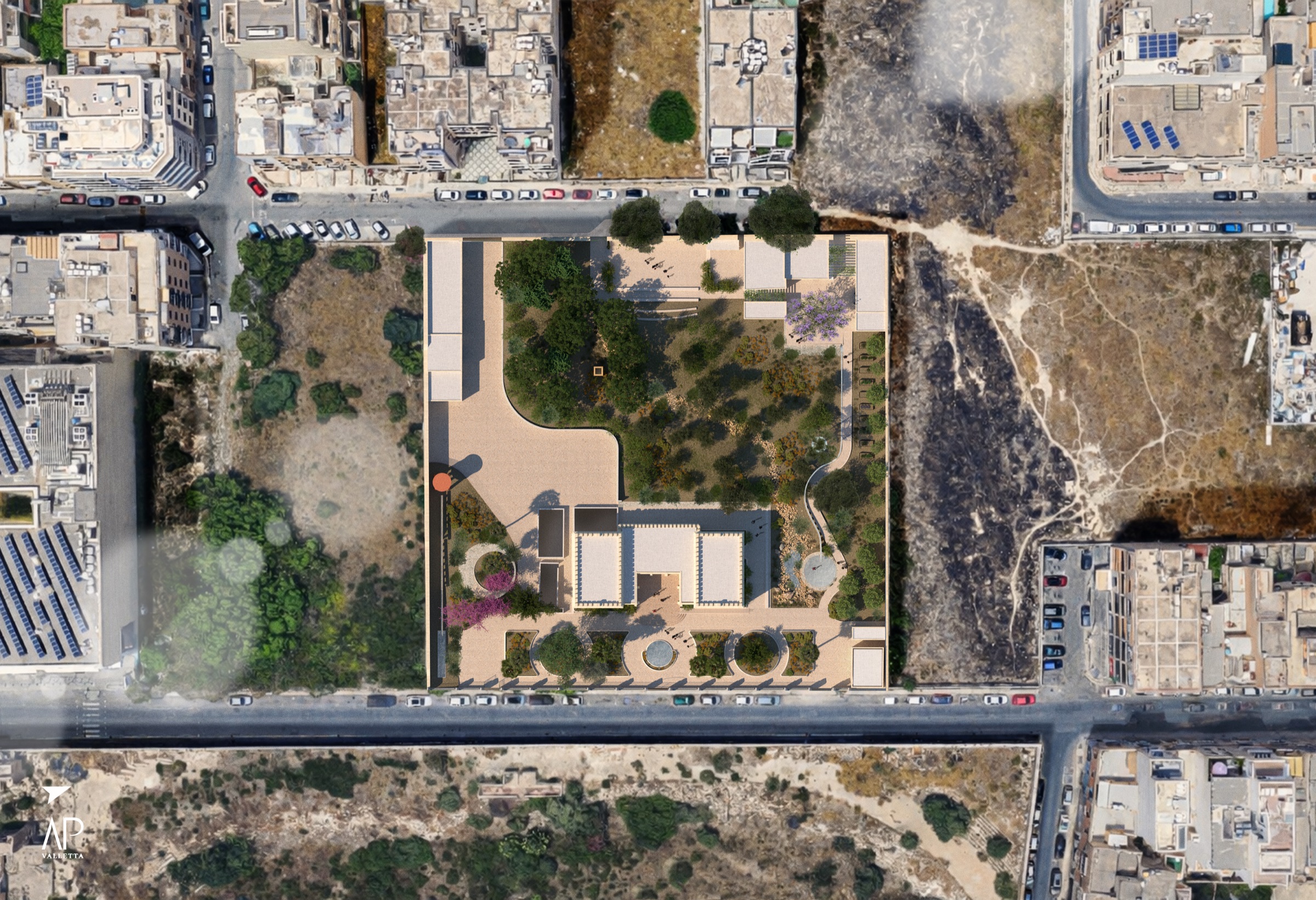
  • Permeable access. New public entrances from Triq Luqa Briffa and Triq D'Argens reconnect the site to the surrounding urban fabric.
  • Materials & detailing. Durable, context-appropriate paving and furniture; native and drought-tolerant species; sustainable drainage that respects archaeology and roots.
Site plan showing the new gardens and public access points
Site plan — the green wrap, public entrances, and the consolidated technical south side.

05 — Uses & Operations

A working utility. A daily civic presence.

Continuous utility function

The building remains operational throughout. The south side consolidates all technical and plant requirements — screened and acoustically treated as needed, so the historic fabric reads as it was always intended.

Civic interface

The east wing will house Local Council facilities, creating a daily civic presence and an opportunity for heritage interpretation, educational displays, and community programming on the site.

06 — Visit

Find us in Gżira.

Location

Beside the old Empire Stadium

Triq Luqa Briffa & Triq D'Argens

Gżira, Malta

Project

A €10M rehabilitation

Water Services Corporation

Communications & Training Directorate

Heritage

Designed 1903

Prof. Giorgio C. Schinas

with Capt. T. J. Tressider, R.E.